


Microplastics: Do aligners contain them?
Holistic health, wellness and the environmental impact of our consumption in the Western world have driven a rising interest from people who want to be better informed about what they consume and the products they use.
As people pay closer attention to their health and what enters or surrounds their bodies, there is increasing media attention on microplastics, with research becoming somewhat staggering on the implications of plastic on the human body over time.
With the revolution of modern packaging, for example, which wraps our food, bottled drinking water, and other packaging, there has also been increased scrutiny about the implications of plastic consumption.
As a result, some people also wonder how microplastics are present in the fabrication and use of clear aligners like Invisalign®. Can aligners contain or release microplastics? And are they safe to wear daily?
We explain exactly what Invisalign® aligners are made of, the situation with microplastics, and why Invisalign® are considered safe.
What are Invisalign® aligners made of?
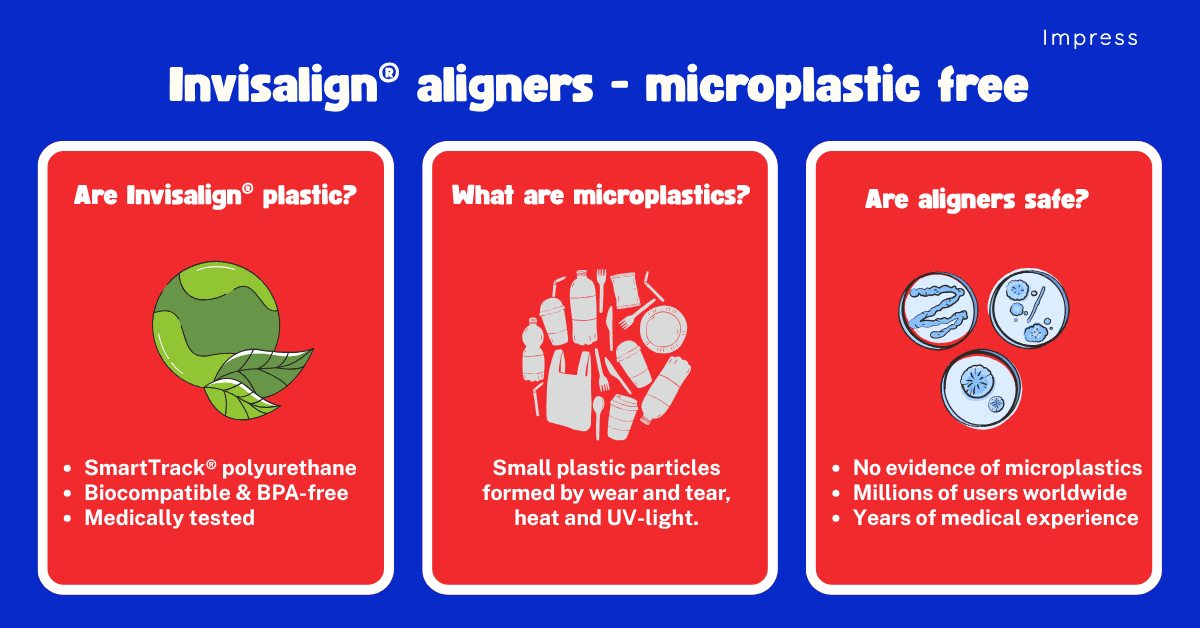
Invisalign® aligners are made from a specially developed material called SmartTrack®. This material is a medical-grade polyurethane resin specifically designed for orthodontic treatments.
The material has several important properties:
- Biocompatible – safe for prolonged contact with teeth, gums, and the oral mucosa.
- BPA-free – contains no Bisphenol A or harmful plastics.
- Medically tested – the material has been used in medical applications since 1998 and meets strict safety standards.
Because aligners are worn 20 to 22 hours a day, safety is an essential part of the design.
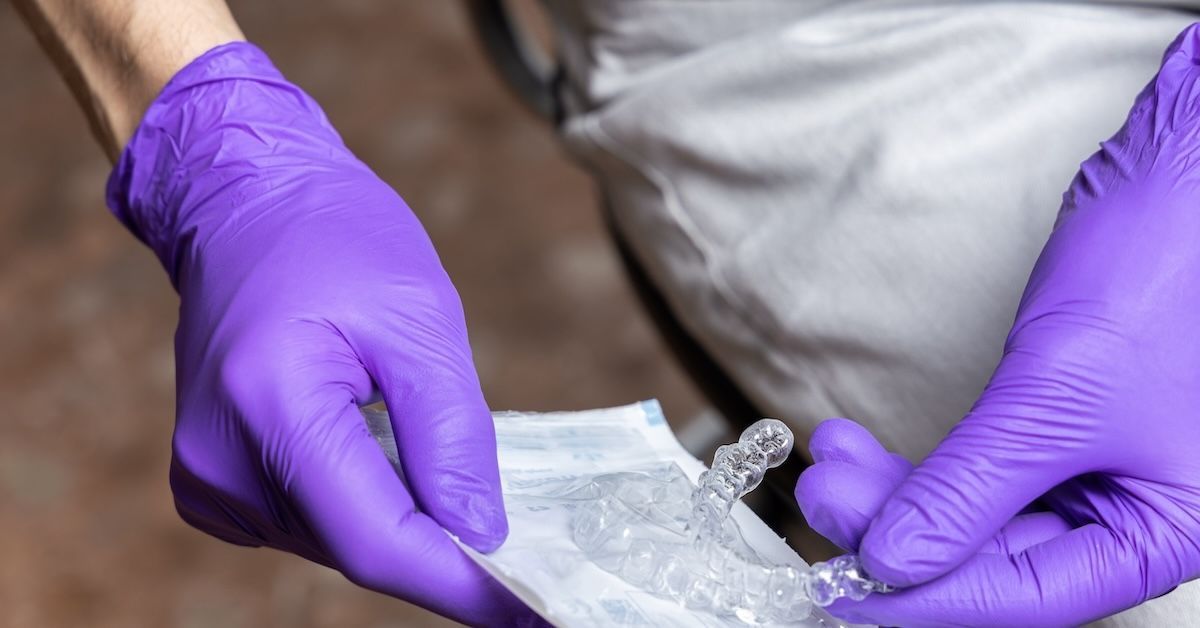
Can aligners release microplastics?
Microplastics are small plastic particles that can form when plastic materials break down. This can happen, for example, due to:
- Wear and tear
- Heat damage
- Overexposure to UV light
With aligners, the evolution of the material and your treatment have been thoroughly tested to create a robust product that maintains its integrity as you use it.
Aligners are designed to remain structurally stable while being worn.
The material is not absorbed by the body.
Each aligner is usually worn for only 1 to 2 weeks, after which you switch to a new one.
Therefore, there is no evidence that aligners release microplastics that are absorbed by the body when used according to the instructions.
Are Invisalign® aligners safe?
Yes. Invisalign® aligners are used by millions of patients worldwide and meet the same safety standards as other medical plastics.
The main reasons why aligners are considered safe:
- Medically approved material
- The SmartTrack® material is biocompatible and designed for long-term use in the mouth.
- BPA-free
- The aligners do not contain bisphenol A or other harmful substances sometimes found in plastics
- Years of clinical experience
The material has been used in orthodontic treatments for decades; therefore, aligners are generally considered safe for adults and teenagers and can usually also be worn during pregnancy.
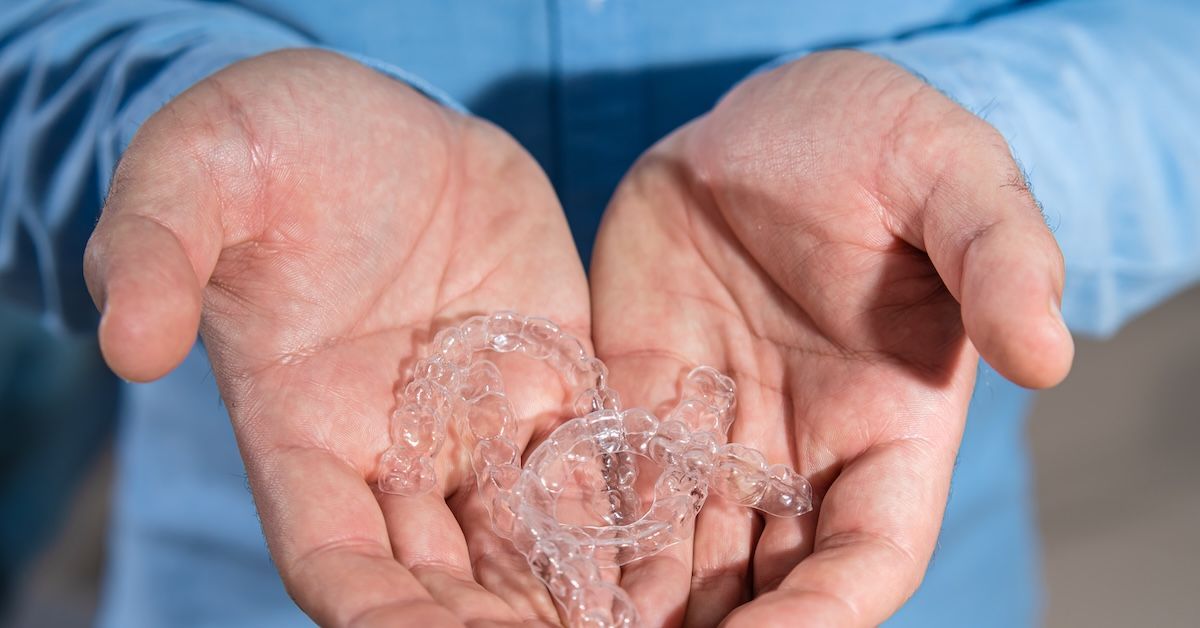
Possible side effects of aligners
Although the material of the aligners is safe, you may sometimes experience temporary minor discomfort, especially when a new aligner is placed.
The most common complaints when using aligners are:
- Mild irritation of the gums or cheeks.
- A temporary strange taste or smell with a new aligner.
- Light pressure on the teeth (this is part of moving the teeth).
- These symptoms usually disappear on their own within a few days.
Good hygiene is important
Most problems with aligners do not arise from the material itself, but from insufficient cleaning. Therefore, it is important to clean your aligners daily, remove them while eating and drinking (except water), and brush your teeth before putting them back in.
This way, you prevent bacterial buildup and your aligner treatment remains hygienic and comfortable.
Want to know more about invisible braces?
Are you wondering if invisible braces are suitable for your teeth? At Impress, you can easily schedule a free initial appointment online. During this appointment, our specialists will examine your smile and discuss the options for aligner treatment.
Would you prefer direct contact? You can also call us or send a WhatsApp message. Our experts are happy to help you on your way to a straighter and healthier smile.