


Tips for brushing teeth and a happy mouth 🦷
How long should you be brushing your teeth?
Some practical tips for brushing your teeth and keeping your teeth and gums healthy are always welcome when we have visits in the Impress clinic from families.
We've got a round-up of tips to make your routine less monotonous. Whether you're wondering the best way to brush your teeth with braces or for something that can help you keep sensitivity in check! Keep reading to find your takeaway tip and optimise your oral care.
Tips for brushing baby's teeth
Many people don't monitor how long they spend brushing their teeth and end up brushing for less than the recommended time. So, how about a wriggly kid?
How long should you be brushing your teeth?
Experts suggest you should brush your teeth for at least 2 to 3 minutes to ensure thorough cleaning, brushing each tooth and molar on all sides. I'm sorry, have you ever met a bouncing baby or toddler?
To avoid this, here’s a helpful tip: when your baby's first teeth start to come through, listen to a 2-minute song while brushing your teeth so that your little one becomes accustomed to how long they should brush.
Given that we will spend about 79 days of our lives brushing our teeth (assuming we brush for at least 2 minutes twice a day), why not make it fun?
Songs to help you brush your teeth
Choosing a track that lasts 2 to 3 minutes can help you stick to the recommended brushing time. This simple trick works well for adults and can also be enjoyable and beneficial for children. Try nursery rhymes, show tunes or check on your music listening app for a toothbrushing selection (yes, they exist!)

How much dental floss should you use?
A common question with flossing is how much dental floss to use. The secret lies in your elbow! Measure the floss from your hand to your elbow. This method allows you to quickly determine the right length for each cleaning, avoiding any unnecessary waste and reaching those places where dental plaque runs wild.
How often should you change your toothbrush?
It doesn't matter if your team manual or electric! Changing either the entire brush or replacing the head of your toothbrush is an easy health hack that we often forget. Keeping hold of your brush for too long is a hotbed of bacteria and can actually lead to recurring sore throats.
It's important to replace your toothbrush or toothbrush head every 3 to 4 months to effectively maintain healthy gums and teeth. Over time, the bristles of your toothbrush wear down, reducing its ability to remove dental plaque and bacteria efficiently.
Find it difficult to stay on top of life admin? Set a regular reminder on your calendar or cell phone to remember how often you should change your toothbrush or toothbrush head. This way, you won't have to rely on memory or calculations to know when it's time for a replacement.
Why you should change your toothbrush after being sick
Why is this crucial? If you brush your teeth when sick, germs can linger on the bristles and potentially cause reinfection when you use the toothbrush again. As soon as you've kicked a cold or flu, get rid of your brush too!
Tips to make brushing teeth at night easier
Many people believe they should be brushing their teeth right after eating, when the fact of the matter is we should slow down. Part of that is wanting to wrap up the night, or to make sure they're brushed before they fall asleep and forget. Here's the science behind why you should wait after meals and not skip straight to bedtime.
Should I brush my teeth right after a meal?
Consuming food alters the pH levels in the mouth, increasing acid levels, which can damage tooth enamel. Although saliva works to neutralize this effect, it typically takes around 20 minutes. Brushing straight after a meal inhibits the body's natural defence mechanism to reduce the risk of cavities.
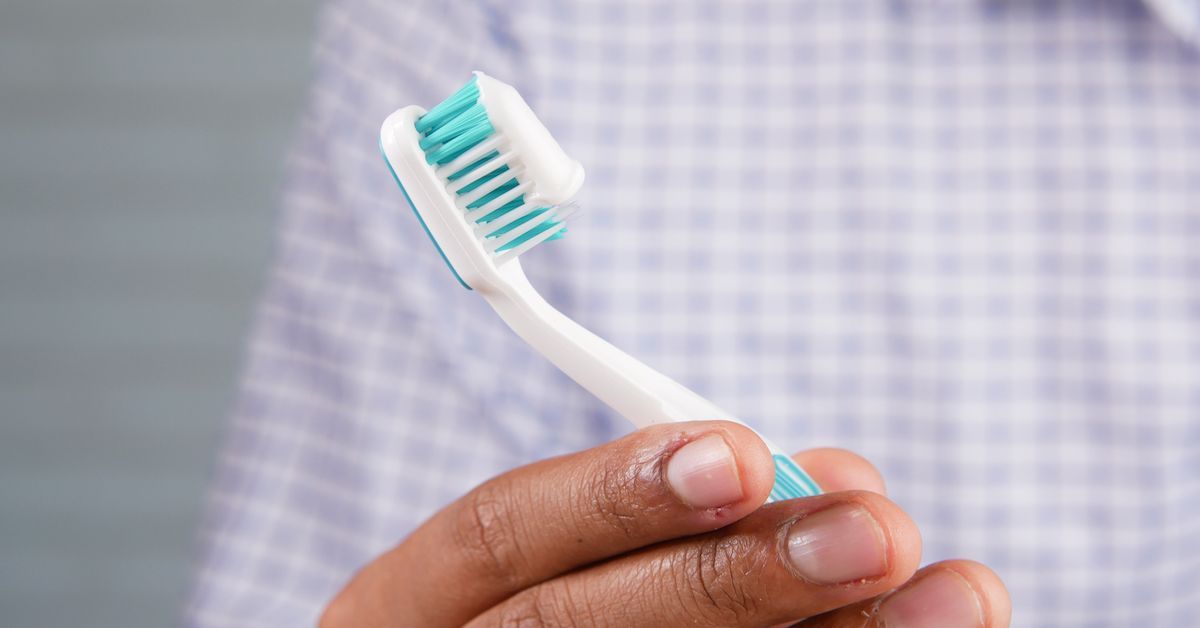
How long to wait after eating to brush your teeth
Experts advise waiting approximately 30 minutes after meals before brushing your teeth to prevent damage to your tooth enamel.
How to clean your tongue - the burning question
It’s common knowledge that you should clean your tongue, but many people don’t know how to do it. Ideally, you should brush your tongue while brushing your teeth.
In fact, remembering that you should brush your tongue is crucial, as this simple practice contributes significantly to reducing issues such as gingivitis, cavities, halitosis (bad breath), and periodontal disease. This is why dental experts recommend you clean your tongue at least once a day using either a tongue scraper or a toothbrush.
Tips for brushing teeth with braces
Many people encounter a different problem when going through orthodontic treatment with the use of braces:
- Plaque buildup
- Problems with brushing technique
- Achieving gentle brushing around the gum line
Whilst it's possible to find specific equipment such as water flossers and brushes that allow you to reach a 45-degree angle to help with brushing whilst wearing braces, there is a high rate of cavities as a result of the food particles and teeth brushing challenge around the wires.
Our top tips for brushing with braces:
- Have your teeth cleaned frequently (twice a year or more) while in treatment
- Incorporate brushing and flossing into your routine
- Ensure you maintain good oral health by rinsing your mouth and brushing after eating or drinking
Put your dental health first with Impress
If you’re considering one of our aligner treatments or if you’re interested in another dental procedure, visit your nearest Impress clinic where you can meet the team of experts. Our goal is to boost the confidence and self-esteem of all our patients through personalized treatments.
Whether you're considering a dental cleaning or seeking clear aligner treatment to enhance the health and appearance of your teeth, Impress specializes in optimizing oral health and teeth alignment.
Schedule a complimentary appointment online or by calling us at 888.490.1421.