


Invisalign® attachments: Why you might need them during clear aligner treatment
During your initial consultation for Impress clear aligner treatment, powered by Invisalign® clear aligners, your orthodontist may tell you that your treatment will include the use of attachments.
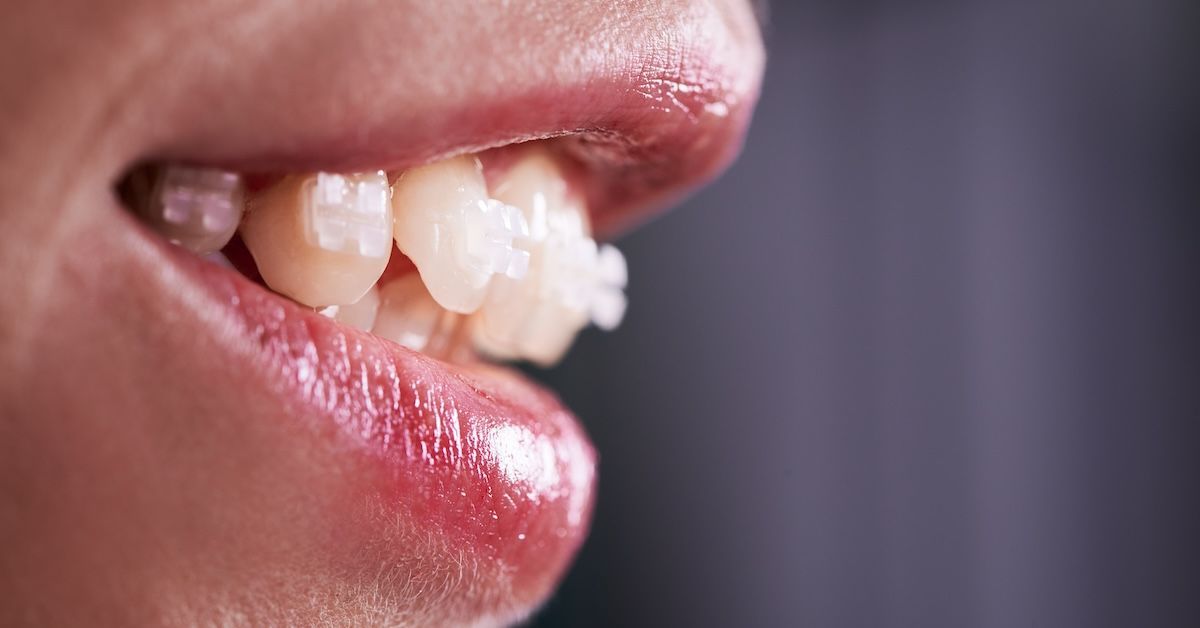
These small composite resin connectors, or buttons, are used to achieve more sophisticated movements as they correct the position of your teeth.
What are Invisalign® attachments?
Attachments are tiny, tooth-colored bumps made of composite resin (the same safe material used for dental fillings). Like traditional brackets and wires, they work together with the aligner to enhance its corrective power.
How to remove Invisalign® attachments
Most patients are worried about each stage of the process, but dental attachments are easy to apply and remove when your treatment is complete. The attachments are removed just as easily. The resin is polished off, leaving no marks or damage on the enamel.
How do attachments work?
Placing attachments is a quick and painless process done during a short appointment at the clinic. A small amount of resin is applied to specific teeth depending on your treatment plan. Not every tooth will need one.
They’re carefully applied with a bonding agent to help the clear aligners grip better and apply the right amount of pressure.
Do attachments damage teeth?
Attachments are made with medical-grade resin that’s completely safe for dental enamel, so they don’t damage teeth.
Some patients experience mild discomfort or a rough feeling when attachments are first applied. This usually fades within a few days as your mouth adjusts. Once treatment is finished and the attachments are removed, no residue remains.
What are attachments used for during aligner treatment?
Anchoring your clear aligners: They work like handles, allowing your orthodontic treatment to move your teeth in specific ways with extra support—kind of like a handle when rock climbing.
Enabling complex movements: Because of the reinforcement they provide, they can achieve movements that aligners alone might struggle with, such as rotations.
Improving treatment outcomes: With attachments, your aligners can address more complex cases. This often means faster treatment and the ability to correct challenging misalignments.
Can I refuse Invisalign® attachments?
Just like ligatures and rubber bands on traditional braces, attachments are an excellent way to optimize your treatment.
If your orthodontist recommends them to support your teeth-straightening process, it’s best to follow that advice—otherwise, you may not achieve the desired results.
How to remove aligners with attachments
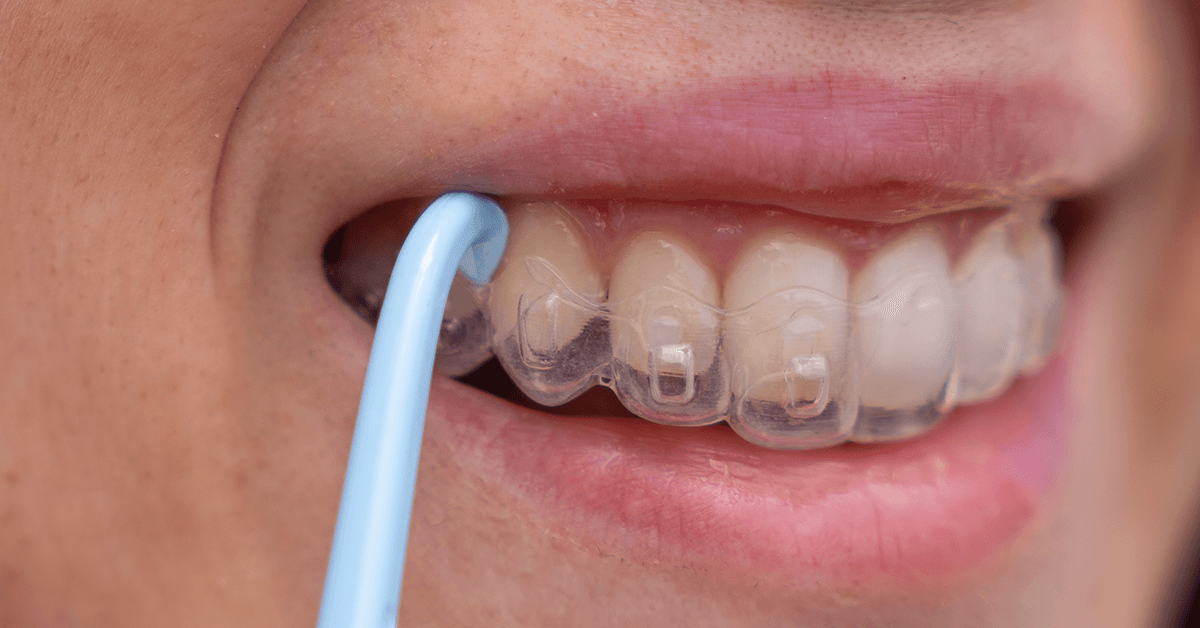
Removing aligners works the same way whether you have attachments or not, though it might require a little more effort at first. If you find it tricky, the Impress Kit includes a small tool called the Outie, which helps lift the aligners off gently without strain.
Tips for removing your clear aligners with attachments:
- Always start from the back teeth, then move forward
- Use both hands for an even release
- If you’re having trouble, don’t force them—use the Outie® to help
Benefits of attachments during aligner treatment
- Achieve greater unification as an anchor and pressure device
- Create more precise tooth movements, combining rotation and straightening
- Achieve a quicker transition at each stage with the combination of the aligner and attachments
If you’re starting orthodontic treatment using Invisalign aligners, if you’ve been told you need attachments, or if you’re unsure whether Invisalign attachments are necessary, you’ll find the answer to all that and more in this article.
Are attachments noticeable?
Because of their size and transparent appearance, they’re barely noticeable. Their simple purpose is to make more complex tooth movements possible—movements that aligners alone might not achieve.
My Invisalign® attachment fell off. What should I do?
If you already have your attachments in place, and one falls off during your treatment, don’t worry. Contact your orthodontist and schedule a time to have it replaced.
Prevention is always better than a fix, so be mindful about applying too much pressure on your teeth and attachments and use your chewies to help position your clear aligner.
Avoid using your teeth to open things, as excessive pressure can cause both attachment loss and enamel damage. That includes brushing your teeth too harshly: try a soft-bristle brush and use focus, not force to ensure you do a great job of keeping up your oral hygiene.
Ready to get started with clear aligner treatment?
With the Impress medical team and Invisalign® technology, you can feel confident that every step of your treatment—from attachments to your perfect smile—is designed to deliver the best results. With Impress, your smile is in good hands. Call us to book your appointment today, or complete this form and a member of our team will be in touch.