Where are you located?
- United States
- Italia
- España
- Portugal
- France
- United Kingdom
- Україна
- Nederland
- Deutschland
- Sverige


Where are you located?
- United States
- Italia
- España
- Portugal
- France
- United Kingdom
- Україна
- Nederland
- Deutschland
- Sverige
Say goodbye to gappy teeth
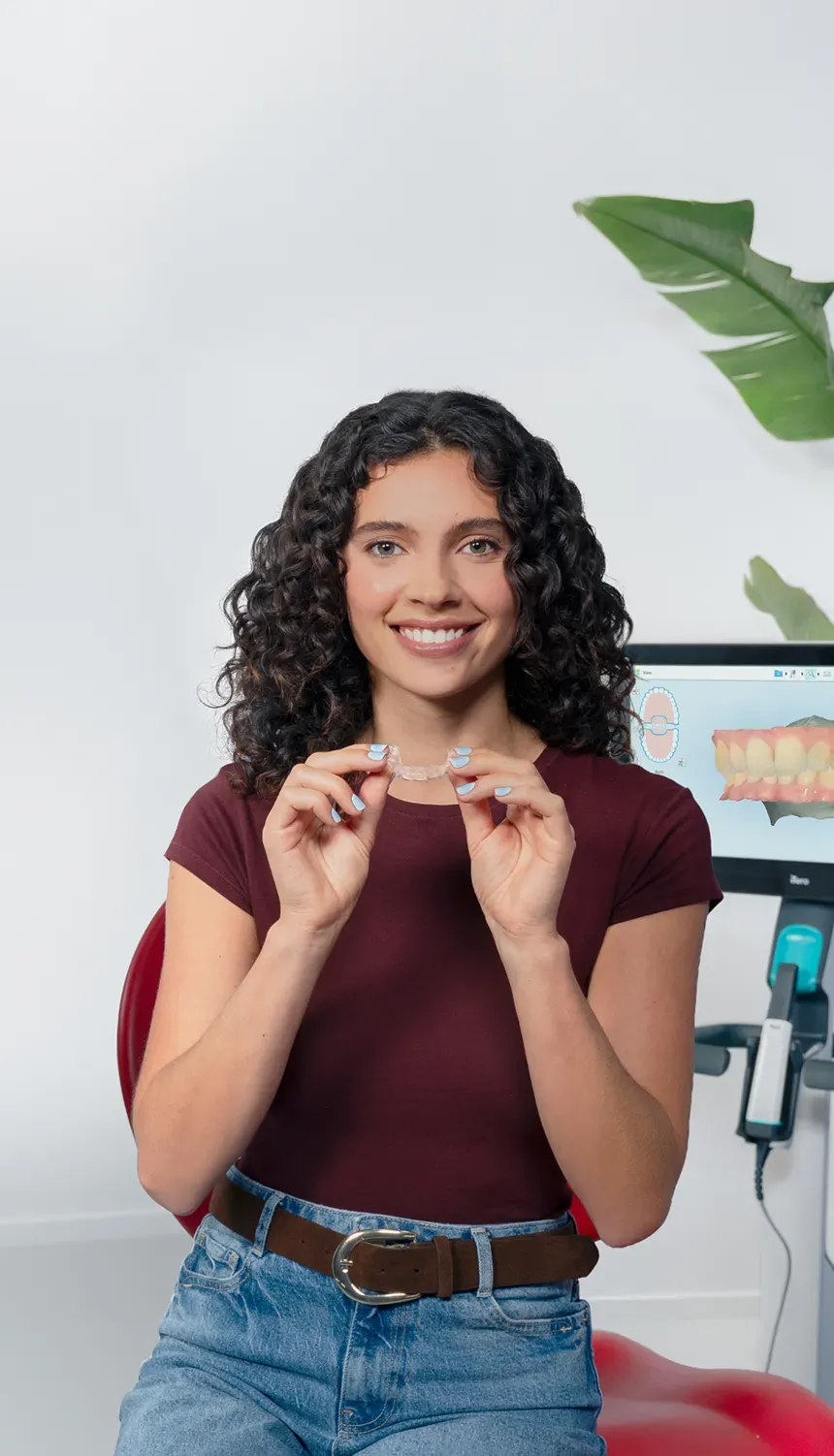
If you're ready to close the gap in your teeth, Impress can support you in doing so discreetly with the help of aligners.

Say goodbye to gappy teeth
If you're ready to close the gap in your teeth, Impress can support you in doing so discreetly with the help of aligners.
Why do gaps in teeth occur?
From genetic disposition to missing or removed teeth, diastema can occur for many reasons, creating a gap in your teeth. Depending on where the gap in your teeth is, it could cause a problem with maintaining oral hygiene and has the potential to impact your chewing function.
Discreet correction and Impressive results with Invisalign® from Impress

Before

After

Before

After

Before

After

Before

After

Before

After

Before

After

Before

After

Before

After

Before

After

Before

After

Before

After

Before

After
Do you love or hate your tooth gap?
A small diastema (up to 2mm wide) is classified a cosmetic issue, while a gap that exceeds 2mm is considered a malocclusion for which orthodontic treatment may be required.

Should I close my tooth gap?
Space between your teeth can be a confidence breaker for some, and a personally favorable characteristic for others. In some cases, a gap between the teeth is a characteristic of a person's appearance, but it can also be undesirable or cause functional problems, leading to food buildup and decay, depending on the placement of the space in between your teeth. In those cases, a correction can be performed.

Treatment for diastema
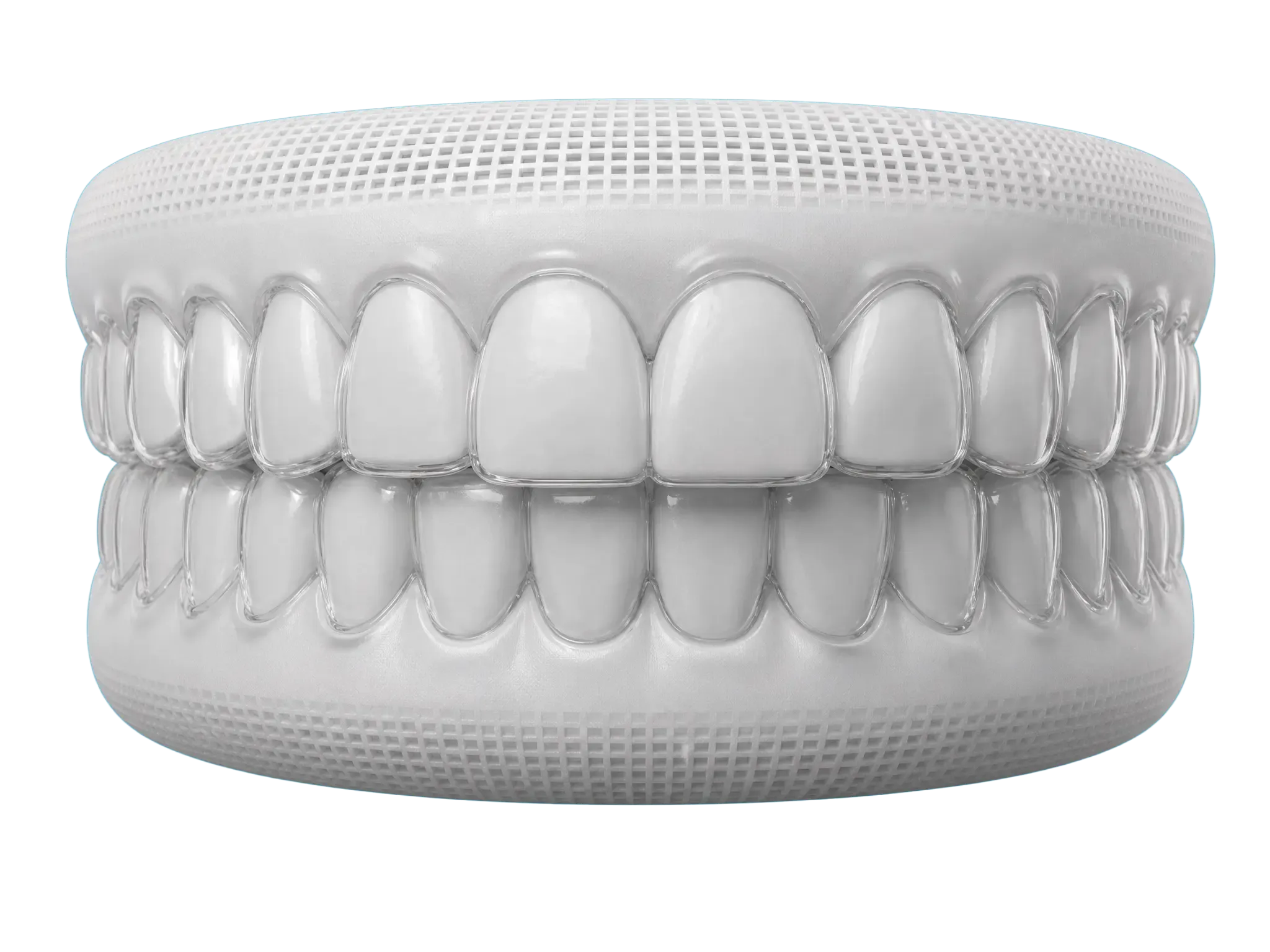
Clear Aligners
Clear aligners are often the primary treatment method to support the closure of mild to moderate gaps between teeth. They exert steady pressure over time, which brings the teeth together.
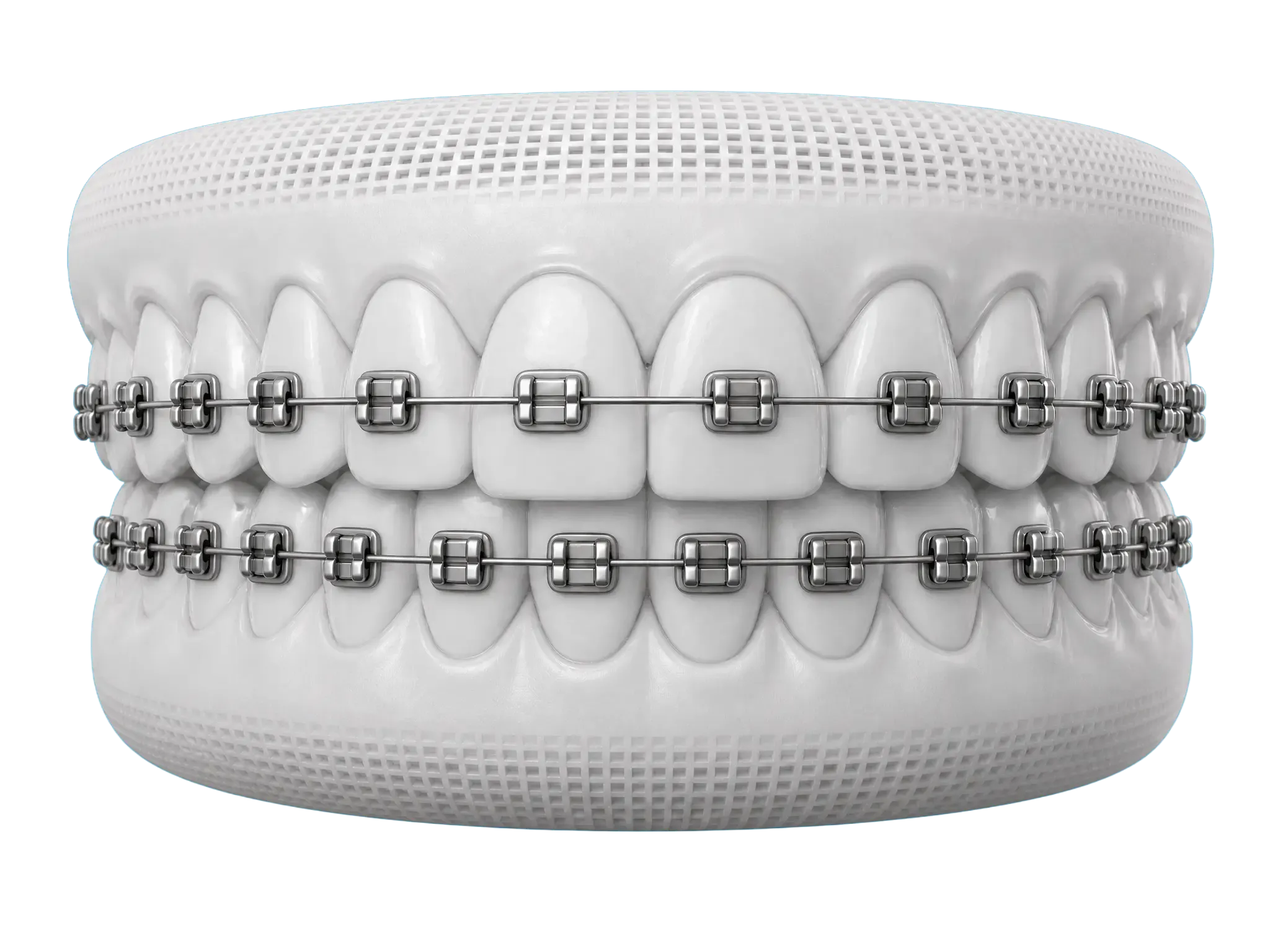
Traditional Braces
Traditional braces can be used to fix diastema, but it's a longer process overall to have them fitted, and regular maintenance is necessary to keep them tight and functional to achieve results in a good period. Treatment often takes much longer than the outcomes you can achieve with clear aligners.
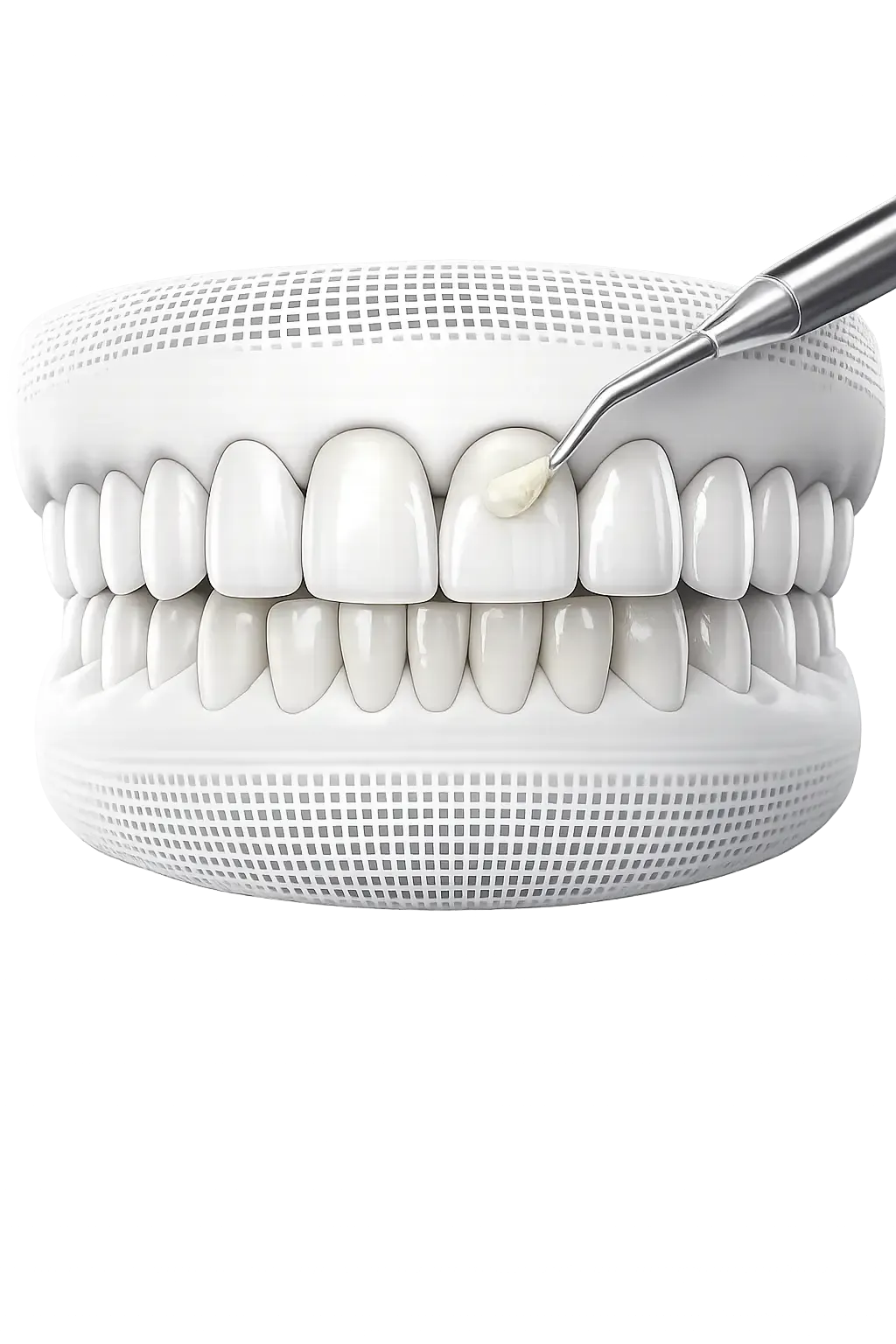
Composite bonding
Composite bonding is one of the most cost-effective and quickest solutions to address diastema, but it is less durable than veneers.
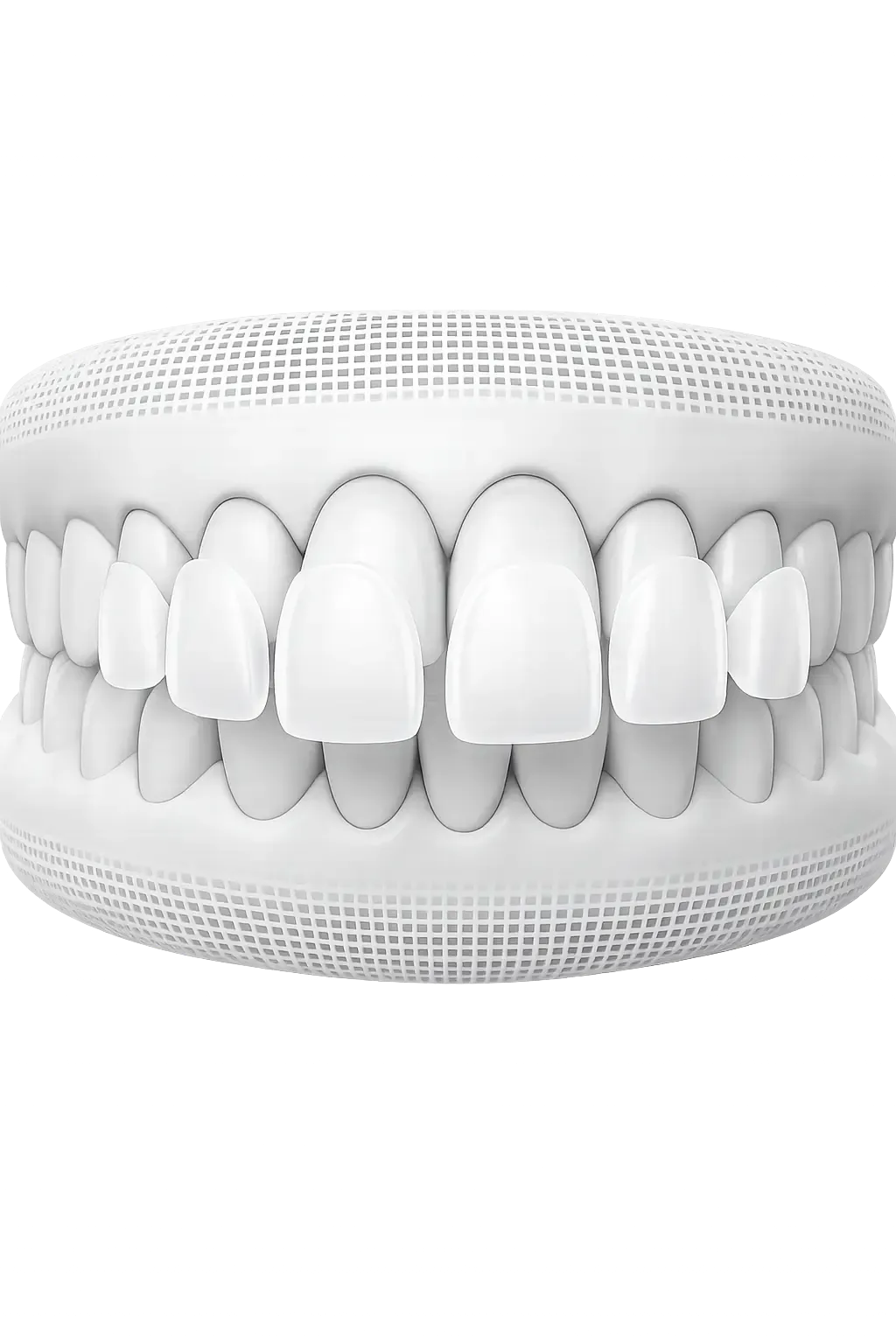
Veneers
If the gap is purely cosmetic, veneers can be a good solution to close it. Porcelain veneers provide the most natural results in terms of their appearance, but tend to be more expensive. There custom-design can fit perfectly over the front teeth's surface, making the teeth appear wider and thereby filling the space.
Clear Aligners
Clear aligners are often the primary treatment method to support the closure of mild to moderate gaps between teeth. They exert steady pressure over time, which brings the teeth together.
Traditional Braces
Traditional braces can be used to fix diastema, but it's a longer process overall to have them fitted, and regular maintenance is necessary to keep them tight and functional to achieve results in a good period. Treatment often takes much longer than the outcomes you can achieve with clear aligners.
Composite bonding
Composite bonding is one of the most cost-effective and quickest solutions to address diastema, but it is less durable than veneers.
Veneers
If the gap is purely cosmetic, veneers can be a good solution to close it. Porcelain veneers provide the most natural results in terms of their appearance, but tend to be more expensive. There custom-design can fit perfectly over the front teeth's surface, making the teeth appear wider and thereby filling the space.
Common questions about teeth gaps
What is midline diastema?
Can braces fix diastema?
Does diastema increase with age?
What causes a gap tooth?
¹Monthly payments of 60 instalments are available for Impress treatment of mild cases. For more details on pricing, please visit the Pricing page.
²Based on a comparison with other Invisalign® providers in the United States for a comparable treatment category T&Cs apply .
³This site is protected by reCAPTCHA.
© 2026 SMILE2IMPRESS SL. All rights reserved